More than 1,000 travel companies trust us to sell their tickets all in one place.
Overview of Trains in Italy
Italy boasts one of the most efficient and picturesque railway networks in Europe, making Italy trains the preferred mode of transport for locals and tourists alike. Whether you are commuting between major business hubs or seeking a romantic getaway to the coast, traveling by trains in Italy offers a perfect blend of speed, sustainability, and scenic beauty.
The network is broadly divided into two categories: high-speed trains, such as Trenitalia's state-of-the-art service Frecciarossa and the private operator Italo, can reach speeds of up to 300 km/h, rapidly connecting major cities like Rome, Florence, Venice, Milan, Bologna, Turin and Naples. Supplementing these are the extensive regional networks that serve smaller towns and villages. Choosing trains Italy travel means arriving right in the city center, skipping airport queues and enjoying the rolling Tuscan hills or dramatic coastlines from your window.
Why travel by train in Italy?
- Speed & Convenience: High-speed connections often beat flight times when city-center to city-center travel is considered.
- Sustainability: Rail travel reduces your carbon footprint significantly compared to driving or flying.
- Connectivity: From the Alps to Sicily, the rail network covers the entire peninsula.


How to book Italy train tickets
Trains in Italy booking doesn't have to be complicated. With Omio, you can secure your seats in three simple steps:
- Search: Enter your departure and arrival cities (e.g., Rome to Venice) and your travel dates in the Omio search bar.
- Compare: View all available high-speed and regional options in one list. Filter by price, duration, or departure time to find the perfect fit.
- Book: Select your preferred class and fare type, pay securely in your own currency, and receive your mobile ticket instantly.


How to find cheap Italy train tickets
Navigating trains Italy tickets prices requires understanding the dynamic pricing model used by Italian operators. Much like airlines, trains in Italy prices fluctuate based on demand, season, and how far in advance you book.
Peak vs. Off-Peak
Commuter traffic heavily impacts pricing on popular routes (like Milan to Turin or Rome to Naples).
- Peak Hours: Early morning (7:00 AM – 9:30 AM) and late afternoon (5:00 PM – 7:30 PM) on weekdays are often more expensive and crowded.
- Off-Peak: Midday services and late evening departures often offer cheaper fares and a quieter atmosphere.
- Flexibility: If you are flexible with your departure time, you can often unlock cheap trains in Italy. Trading a prime-time 9:00 AM departure for an 11:30 AM train can sometimes save you significant money.
Which Italian train provider is the cheapest?
- Trenitalia: The state-owned operator runs everything from high-speed to regional trains. Their "Super Economy" and "Economy" fares are excellent for early bookers but sell out fast.
- Italo: A private high-speed operator that frequently runs competitive promotions. It is always worth comparing Trenitalia and Italo for routes between major cities, as price wars often benefit the traveler.
Popular Train Routes in Italy
Explore the top connections across the country.
| Route | Journey Time | Distance | Trains/Day | Price From |
|---|---|---|---|---|
| Rome → Florence | 1h 12m | 232km | 49 | €19.90 |
| Rome → Naples | 1h 07m | 189km | 41 | €9.90 |
| Milan → Rome | 2h 56m | 477km | 43 | €29.90 |
| Rome → Venice | 3h 21m | 394km | 21 | €29.90 |
| Milan → Florence | 1h 40m | 249km | 21 | €19.90 |
| Naples → Florence | 2h 40m | - | - | €24.90 |
| Milan → Venice | 2h 30m | - | - | €19.90 |
| Florence → Venice | 2h 15m | - | - | €19.90 |
How to reach popular destinations by train
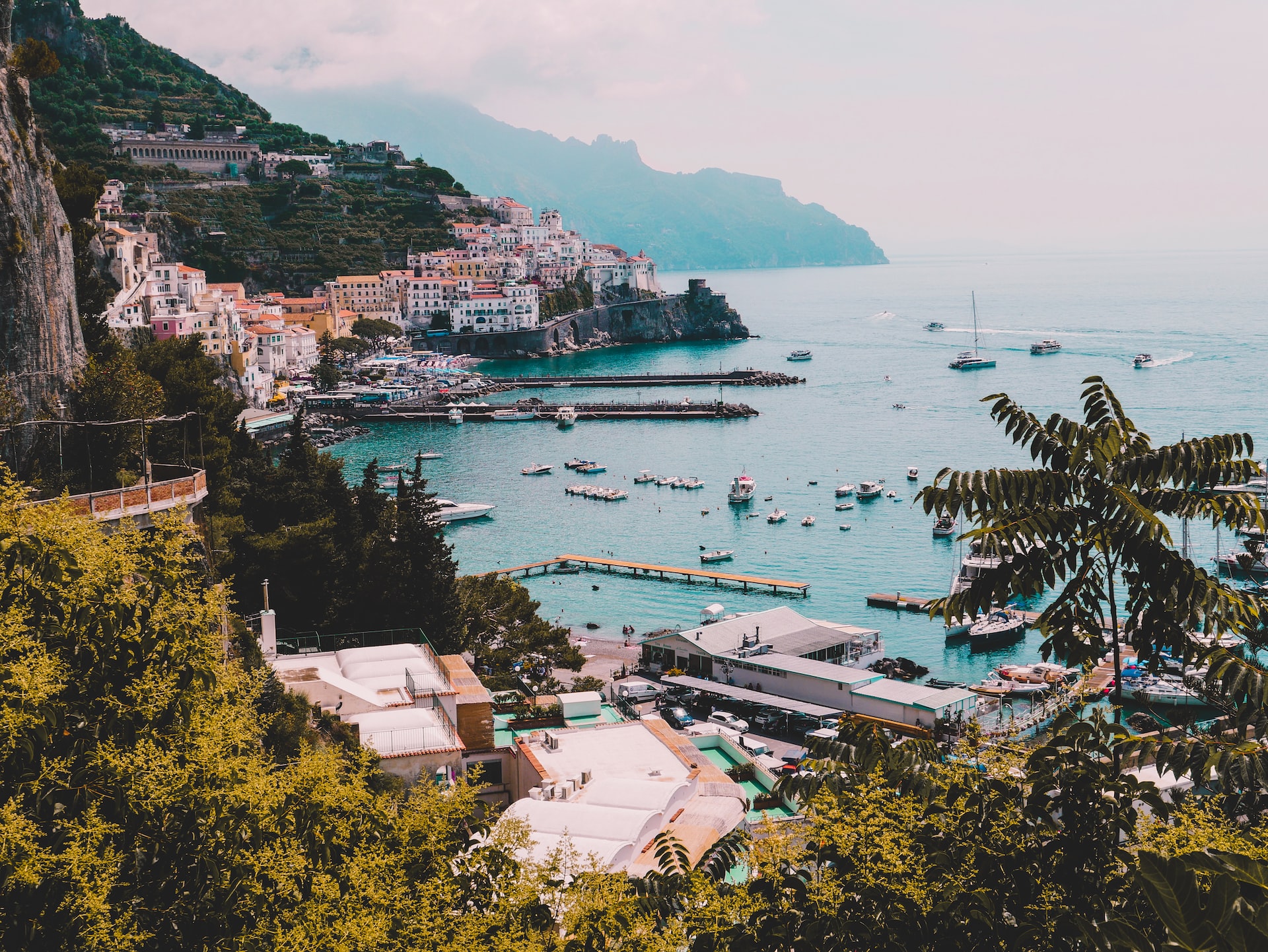
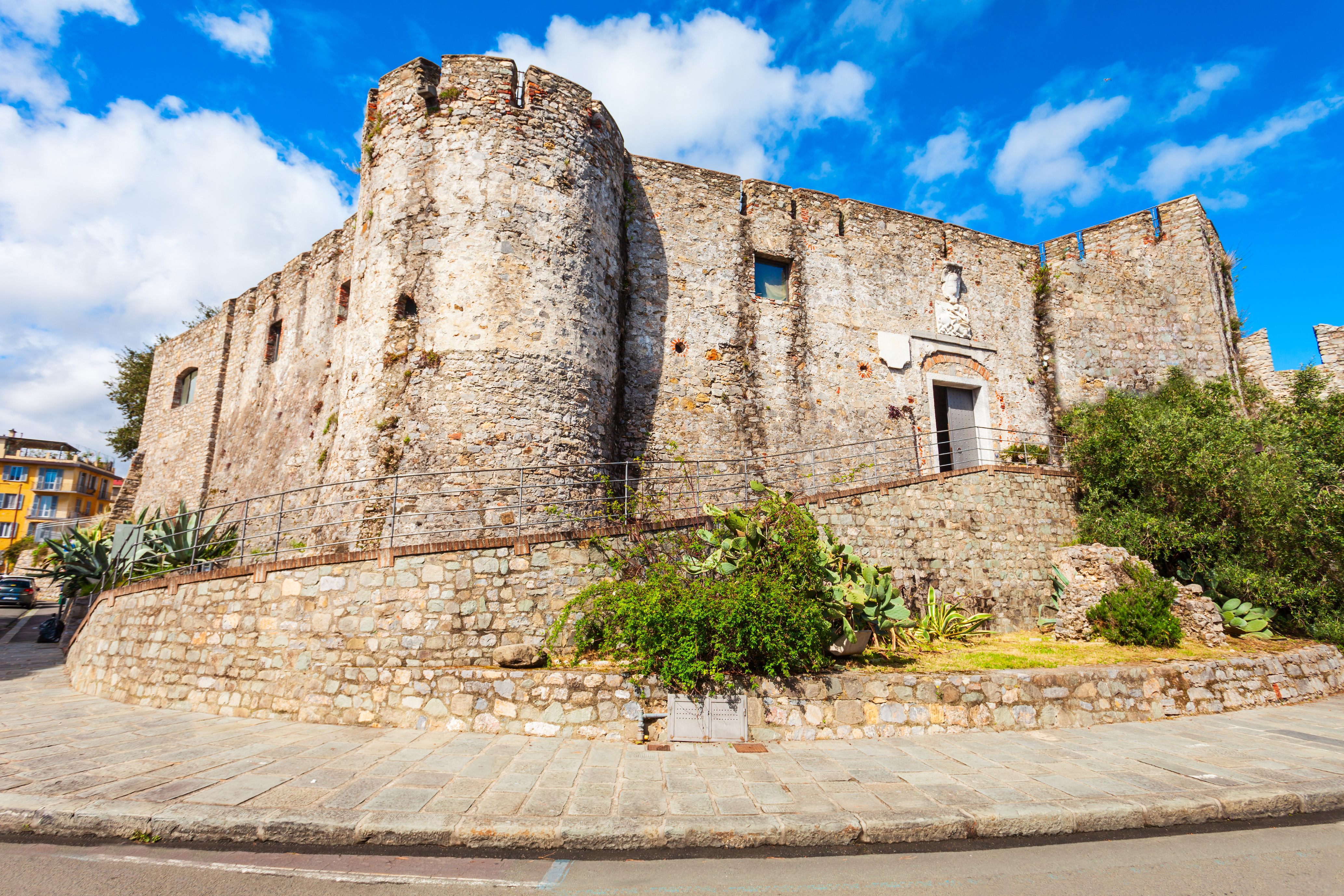
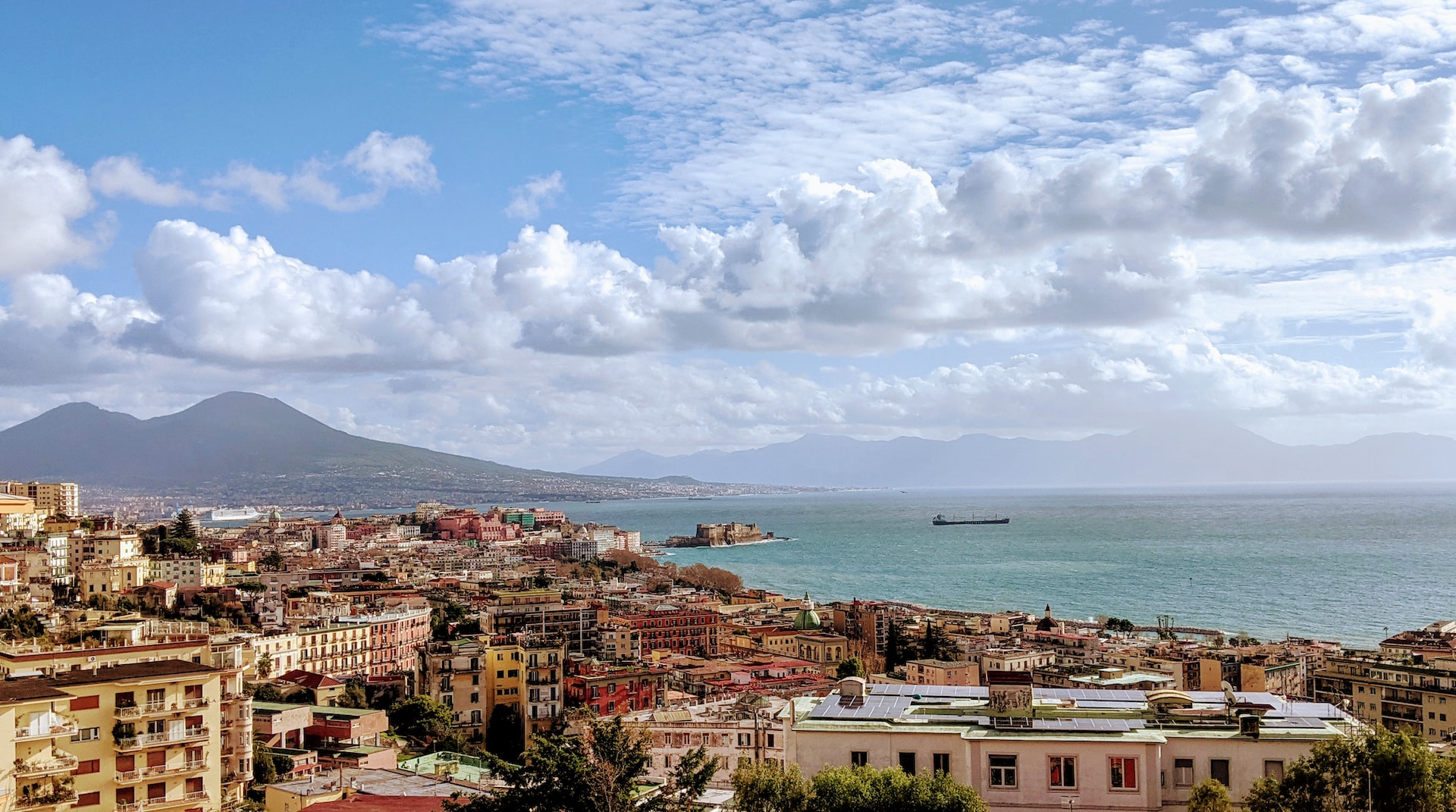
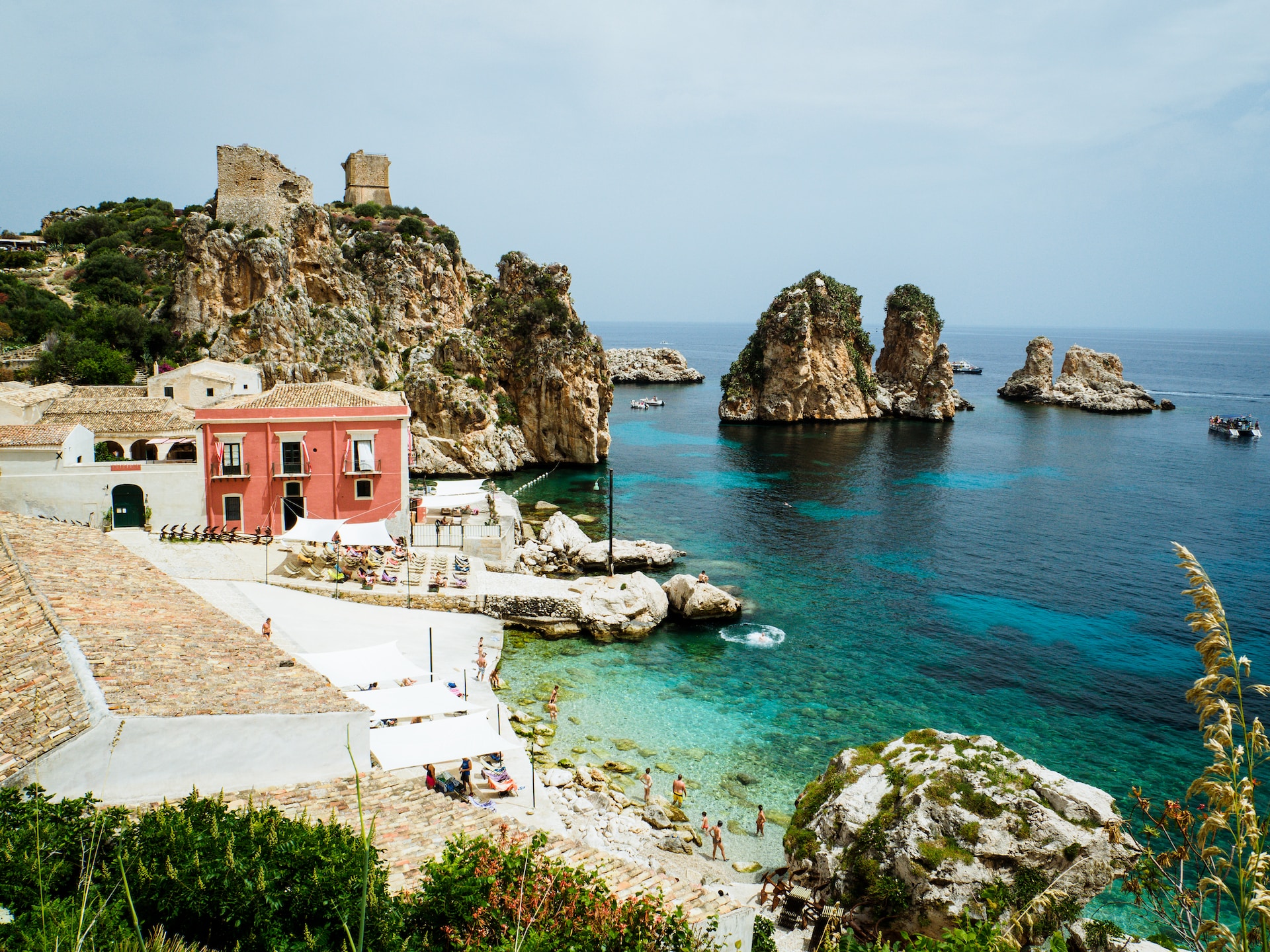
Italy's geography is perfect for rail travel, but knowing the "last mile" is key. Many top destinations are incredibly accessible: taking the train to Pompeii drops you at the Pompei Scavi station, just a 2-minute walk from the ruins' main entrance, while the Cinque Terre Express stops right in the heart of all five coastal villages. For the lakes, Varenna station is a brief 5-minute stroll down to the Lake Como ferries. However, for spots like the Amalfi Coast, the train to Naples or Salerno is just the first leg, requiring a connecting bus or ferry to reach the coast. Here is exactly how to navigate reaching Italy's top spots.
Amalfi Coast

Cinque Terre

Pompeii

Sicily

Lake Como

Train Companies in Italy
When booking Italian trains, you will primarily choose between two major operators: Trenitalia and Italo.
Trenitalia
As the primary state-owned operator, Trenitalia** manages the vast majority of Italian rail traffic.
- Overview: The largest operator connecting huge metropolitan areas and tiny villages alike.
- Train Types: Includes the famous Frecce (Arrows) high-speed series (Frecciarossa, Frecciargento, Frecciabianca) and the slower, scenic Regional trains.
- Key Coverage: Entire country, including Sicily and Sardinia.
Italo Nuovo Trasporto Viaggiatori (NTV)
Italo is a private open-access operator focusing exclusively on high-speed lines.
- Overview: Known for modern fleets and high-quality service, competing directly with Trenitalia on major routes.
- Fleet: Utilizes the AGV 575 and the Italo EVO, both offering exceptional speed and comfort.
- Unique Features: Features a Cinema carriage on select trains and services 54 cities across 62 stations.
Train Classes & Onboard Experience
Both operators offer tiered seating to suit different budgets, from budget-friendly options to luxurious first class trains in Italy.
Trenitalia Classes
- Standard: Comfortable fabric seats, free Wi-Fi, and power sockets.
- Premium: Leather seats with more legroom and a welcome drink.
- Business: Wide armchairs (2+1 layout), quiet zones, and welcome service.
- Executive: The pinnacle of luxury with only 10 rotating seats per carriage and a gourmet meal included.
Italo Classes
- Smart: Budget-friendly comfort with leather reclining seats; Cinema carriage access available.
- Prima Business: Spacious 2+1 seating with a welcome service and fast track boarding.
- Club Executive: Exclusive access to station lounges, wide armchairs, and personal screens.
| Feature | Trenitalia Standard | Trenitalia Business | Italo Smart | Italo Prima | Italo Club Executive |
|---|---|---|---|---|---|
| Seat Config | 2+2 | 2+1 | 2+2 | 2+1 | 1+1 |
| Legroom | Standard | Extra | Standard | Extra | Maximum |
| Catering | Bistro car | Welcome drink | Vending | Welcome service | At-seat gourmet |
| WiFi | ✅ | ✅ | ✅ | ✅ | ✅ |
Types of Trains in Italy
Understanding the difference between high speed trains in Italy and regional options helps you plan better.
High-Speed Trains
- Frecciarossa (Red Arrow): The fastest trains in Italy, reaching speeds of 300 km/h (186 mph). These bullet trains in Italy connect Turin, Milan, Bologna, Florence, Rome, and Naples.
- Italo: Competing fast trains in Italy offering high-speed service on similar main corridors.
- Frecciargento (Silver Arrow): Runs on both high-speed and standard lines, reaching 250 km/h, often connecting Rome to Venice or Verona.
Intercity & Regional
- Intercity trains Italy: Connect major and medium-sized cities (like Milan to Genoa) at speeds up to 200 km/h. Essential for routes not served by high-speed lines.
- Regional trains in Italy: The backbone of local travel. High-speed vs regional trains in Italy is a trade-off between time and cost; regional trains are slower and stop frequently but are very cheap and require no reservation.
Comparison of Trains in Italy
Compare maximum speeds, reservations, and amenities across Italian train types.
| Train Type | Max Speed | Reservation | Classes | WiFi |
|---|---|---|---|---|
| Frecciarossa | 300 km/h | Required | 4 | ✅ |
| Italo | 300 km/h | Required | 3 | ✅ |
| Frecciargento | 250 km/h | Required | 2 | ✅ |
| Frecciabianca | 200 km/h | Required | 2 | ✅ |
| Regional | 160 km/h | Not required | 1-2 | ❌ |
Train Classes in Italy
Compare the amenities, seating, and services across the different classes offered by Trenitalia and Italo.
| Feature | Trenitalia Standard | Trenitalia Business | Italo Smart | Italo Prima | Italo Club Executive |
|---|---|---|---|---|---|
| Seat config | 2+2 | 2+1 | 2+2 | 2+1 | 1+1 |
| Legroom | Standard | Extra | Standard | Extra | Maximum |
| Catering | Bistro car | Bistro car & Welcome drink | Vending | Welcome service | At-seat gourmet |
| Lounge | ❌ | ❌ | ❌ | €10 | Free ✅ |
| Fast Track | ❌ | ✅ | ❌ | ✅ | ✅ |
| WiFi | ✅ | ✅ | ✅ | ✅ | ✅ |
Night Trains in Italy
For a nostalgic and practical journey, Italy sleeper trains allow you to wake up in a new destination while saving on a hotel bill.
- Intercity Notte: Trenitalia's domestic overnight trains Italy service connecting North to South e.g. Milan to Sicily, and internationally like this London to Rome route.
- ÖBB Nightjet: International sleeper trains in Italy connecting Italian cities like Venice and Rome to Austria and Germany.
- Experience: Options range from simple seats to couchette bunks and private sleeper trains Italy cabins.
- Routes: Popular night trains in Italy routes include Rome to Palermo and Milan to Bari. Night trains Italy travel is an efficient way to cover long distances like the length of the peninsula.
Airport Connections in Italy
Omio connects you seamlessly from the runway to the railway.
- Rome Fiumicino (FCO): Leonardo Express connects non-stop to Roma Termini in 32 minutes (€14, no validation needed for e-tickets).
- Milan Malpensa (MXP): Malpensa Express connects Terminal 1 & 2 to Milano Centrale/Cadorna in ~50 mins.
- Venice Marco Polo: Bus and train combinations available.
- Naples Capodichino: Alibus connects to the Central Station.
- Bologna Marconi: The Marconi Express monorail connects to the city center in minutes.
Practical Travel Tips
- Strikes: An Italy train strike or Italian train strike can occur, usually on Fridays. Check the Omio app or official boards for "Sciopero" notices; guaranteed services usually run during rush hours (6-9 AM and 6-9 PM).
- Validation: Paper regional tickets must be stamped in yellow/green machines before boarding. E-tickets generally do not require validation.
- Apps: Download the Omio app for real-time updates and digital ticket storage.
Frequently Asked Questions
Booking online via Omio is the most efficient method. You can compare Trenitalia and Italo side-by-side, view schedules in your language, and store tickets digitally. This avoids long lines at station counters and language barriers.
Typically, sales for high-speed (Frecce) and Intercity trains open about 3 to 6 months in advance. Regional train schedules are often released closer to the travel date (1-2 months).
Yes, knowing when to book trains in Italy saves money. For high-speed trains, booking 2-12 weeks out secures the "Super Economy" fares. Booking on the day of travel requires paying the full "Base" price. Regional trains have fixed prices, so booking early doesn't save money but saves time at the station.
To get the best price, you should aim for the ideal booking window of 2 to 12 weeks in advance. Generally, prices rise as the departure date approaches and cheaper fare buckets sell out.
High-speed trains are generally very punctual and efficient. Regional trains can occasionally experience delays, but the network is generally robust and reliable for tourists.
Yes, can you bring luggage on trains in Italy is a common question. There are no strict weight limits. Large bags go in racks at the end of the carriage, and smaller items fit overhead.
All high-speed, Intercity, and most modern regional trains have restrooms on board.
If you miss a high-speed train with a "Super Economy" or restrictive ticket, it is usually not valid for the next train, and you will need to buy a new ticket. If you have a "Base" ticket or a regional ticket, you may be able to board the next train within a certain time window, but you should check the specific fare rules on your Omio ticket.